



303 Million Orders, 150 Billion GDP: Why Zhengzhou Is Becoming an "Exception" in Supply Chain Layout?

March 09, 2026
More companies are shifting their supply chain operations from coastal ports to inland hubs with greater regional reach. Among central Chinese cities, Zhengzhou is rapidly growing in logistics significance. The city features China’s first airport economic zone elevated to a national strategy, alongside a mature economic development zone —— a dual-engine structure reshaping Zhengzhou’s logistics value.
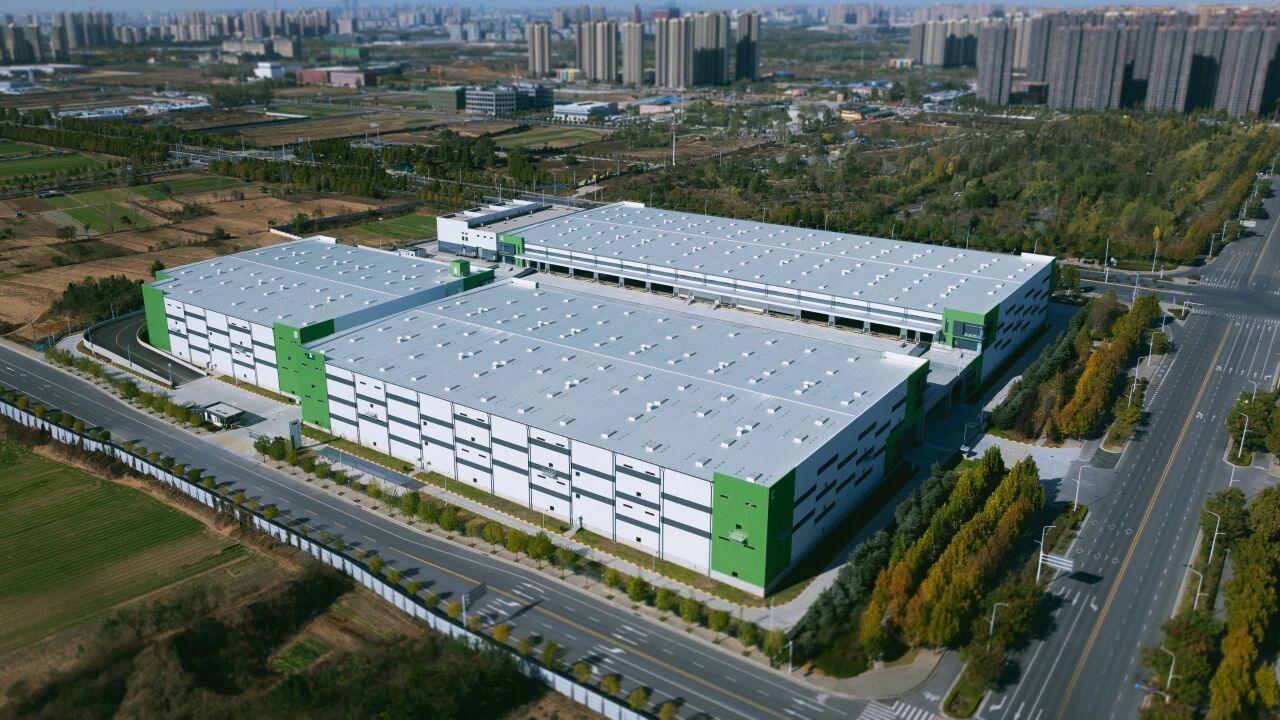
Dual engines: Airport Zone and Economic Development Zone
·Airport Zone: In 2025, its GDP exceeded RMB 150 billion, with an average annual growth rate of 10.4% during the 14th Five-Year Plan period. Cross-border e-commerce transaction volume reached 303 million orders, valued at RMB 34.78 billion——2.2 times and 3.1 times the 2020 figures, respectively. Zhengzhou Airport’s annual cargo throughput surpassed 1 million tonnes.
·Economic Development Zone: Zhengzhou’s earliest industrial cluster, hosting distribution centers for high-end manufacturing, biomedicine, and cross-border e-commerce.
As land in the Airport Zone becomes increasingly scarce, warehousing demand is spilling over into the well‑developed Economic Development Zone.
Policy support
In 2025, Zhengzhou Airport Zone issued measures to promote private sector growth:
·National “Little Giant” specialized and sophisticated SMEs: RMB 2 million reward
·Provincial “Little Giant” SMEs: RMB 500,000 reward
·R&D investment subsidy: up to RMB 5 million
These policies aim to reduce costs and encourage companies to locate core operations in Zhengzhou.
Growth of cross-border e-commerce
Zhengzhou was one of China’s first pilot cities for cross-border e-commerce. In the first two months of 2025 alone, 113 cross-border e-commerce companies set up operations in Zhengzhou. Competition has shifted toward supply chain fulfillment capability, with warehousing and distribution efficiency as the core.
New warehousing requirements from companies
Companies now focus on more than just area and rent. Key questions include:
·Distance to the airport – can it meet last‑flight dispatch deadlines?
·Number of loading docks – to avoid peak‑hour congestion
·Fire safety rating (Class C2)
·Ability to support both storage and distribution – reducing double handling
Warehouses have evolved from cost centers into efficiency centers. Companies need high-standard facilities that match their operational needs.
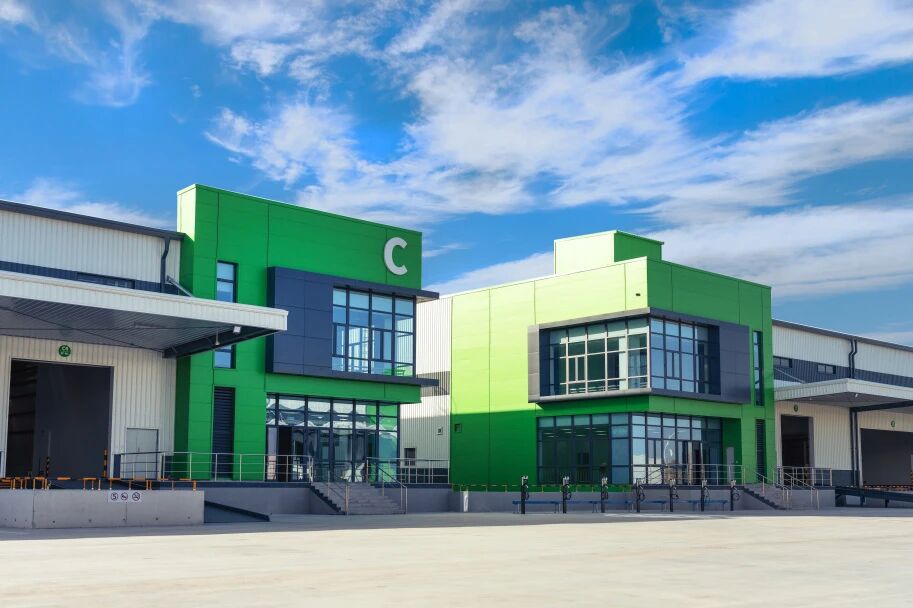
Forest Zhengzhou EDZ Logistics Park
The park is located in the core spillover zone:·20 minutes by vehicle from Zhengzhou Xinzheng International Airport
·Surrounded by major arteries including G4 Beijing-Hong Kong-Macau Expressway and S82 Zhengzhou-Minquan Expressway
·Warehouse clear height: 9 m; ample loading docks; Class C2 fire protection; flexible space configuration
The park supports cross-border e-commerce distribution, manufacturing buffer stock, and regional delivery. Forest Logistics Properties provides a stable, efficient, and sustainable logistics node for companies expanding in Zhengzhou.
Forest Logistics Properties – Making Warehousing More Valuable.




Down

Down

