



Beyond Warehouse Space: Why Companies Are Rethinking Supply Chain Nodes

May 01, 2026
According to the China Federation of Logistics & Purchasing, China’s total value of social logistics reached RMB 96.4 trillion in Q1 2026, up 6.2% year on year. Logistics demand from industrial products grew by 5.8%, contributing more than 80% of total growth. Manufacturing remained the main driver of demand, while high-end manufacturing continued to expand at a rate of more than 10%.
As logistics demand recovers, companies are looking beyond simply “having enough warehouse space.” The more important question is whether a warehouse can function as an effective supply chain node, supporting regional distribution, inventory turnover, fleet scheduling, and faster market response.

Manufacturing Requires More Than Basic Storage
For manufacturers, NEV companies, and auto parts suppliers, warehouse performance is no longer measured only by bulk inbound and outbound capacity. Many operations now require high-frequency, multi-SKU distribution, efficient truck circulation, and stronger on-site management.
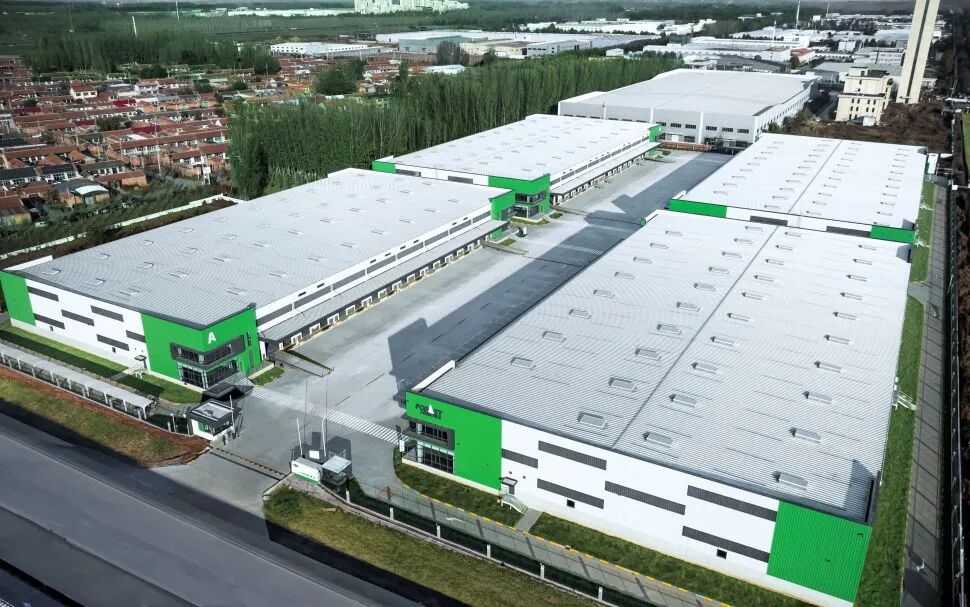
Details such as the number of loading docks, truck flow design, EV charging access, lighting, fire safety systems, security, and property services can directly affect operating efficiency and long-term cost. As a result, the value of high-standard logistics facilities is being reassessed.
From Standalone Sites to Coordinated Networks
When selecting a warehouse, companies are no longer evaluating a single location in isolation. They are asking whether the facility can serve local markets, connect with surrounding industrial clusters, support regional distribution, and leave room for future expansion or network adjustments.
In this context, coordination among warehouse nodes becomes increasingly important. A well-planned logistics network can help companies improve response speed, reduce unnecessary handling, and build greater resilience into their supply chains.
High-Standard Logistics Facilities as a Long-Term Foundation
The value of a warehouse becomes clearer over time. It is reflected not only in rent or floor area, but also in daily operating efficiency, peak-season handling capacity, market responsiveness, and the ease of adjusting the supply chain network.
A high-quality warehouse must balance location, facility specifications, property services, and operational flexibility. For companies facing changing demand, these factors can directly influence total logistics cost and service performance.
Forest Logistics Properties: Building a Core Node Network
Since 2018, Forest Logistics Properties has developed nearly 3 million square meters of high-standard warehouse space in Tier 1 and Tier 2 core logistics cities across China. Its projects serve customers in manufacturing, automotive, e-commerce, cold chain, and other industries.
Each logistics park is designed to support operational flexibility in three key areas:
Space flexibility
Flexible unit division and consolidation, with room to support peak-season expansion and off-season space optimization.
Efficiency flexibility
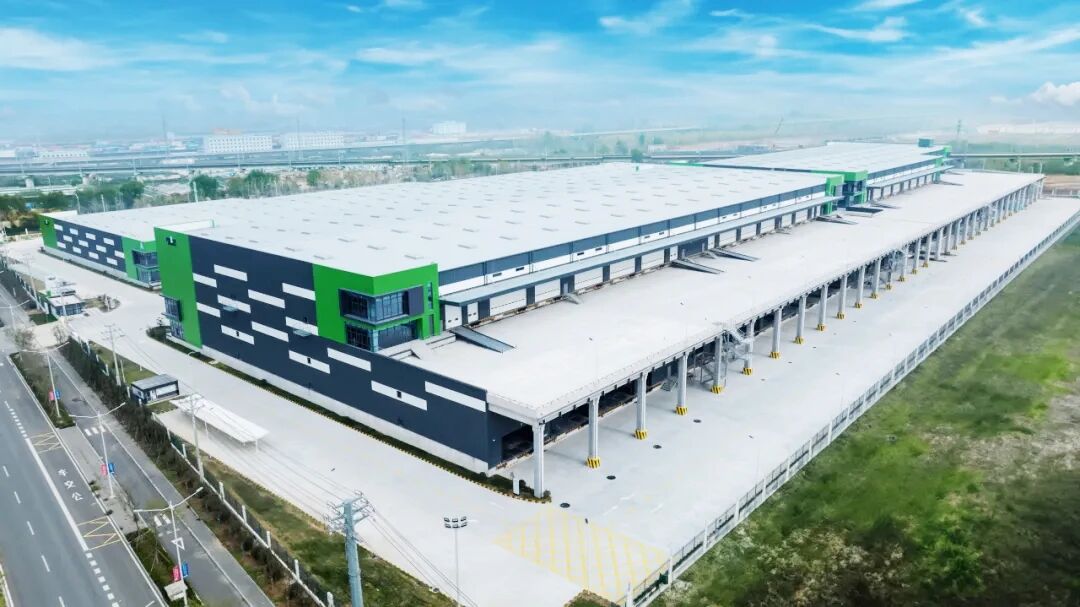
Scientifically planned loading docks, truck flow, and maneuvering areas to support high-frequency logistics operations.
Service flexibility
A two-hour response mechanism, same-day issue resolution, and modification proposals for in-warehouse adjustments within 72 hours.
Forest Logistics Properties has built a logistics facility network around key industrial clusters and transportation hubs, helping customers secure stable, efficient, and well-fitted warehousing solutions.
For companies moving from simple warehouse leasing to supply chain node planning, Forest Logistics Properties provides the infrastructure, network coverage, and operational support needed for long-term growth.
Contact Forest Logistics Properties to explore high-standard warehouse solutions for your business.





Down

Down

