



Automotive Logistics Real Estate in China: Why Warehouse Fit Matters for NEV Supply Chains

May 19, 2026
China’s automotive supply chain is moving into a faster, more demand-responsive phase. In April 2026, new energy vehicles accounted for 53.2% of new car sales, while auto exports increased by 74.4% year on year. In this environment, warehouses are no longer just storage space. They have become critical infrastructure connecting production, sales, exports, and distribution.
Warehouse selection is no longer just about space, rent, and location. The more important question is whether the facility fits the products, operating model, and supply chain network it is designed to support.
Product Fit
NEV-related products — including vehicles, EV powertrains, electronics, spare parts, and charging equipment — each have different requirements for clear height, floor loading, fire safety, loading efficiency, temperature control, and operational management.

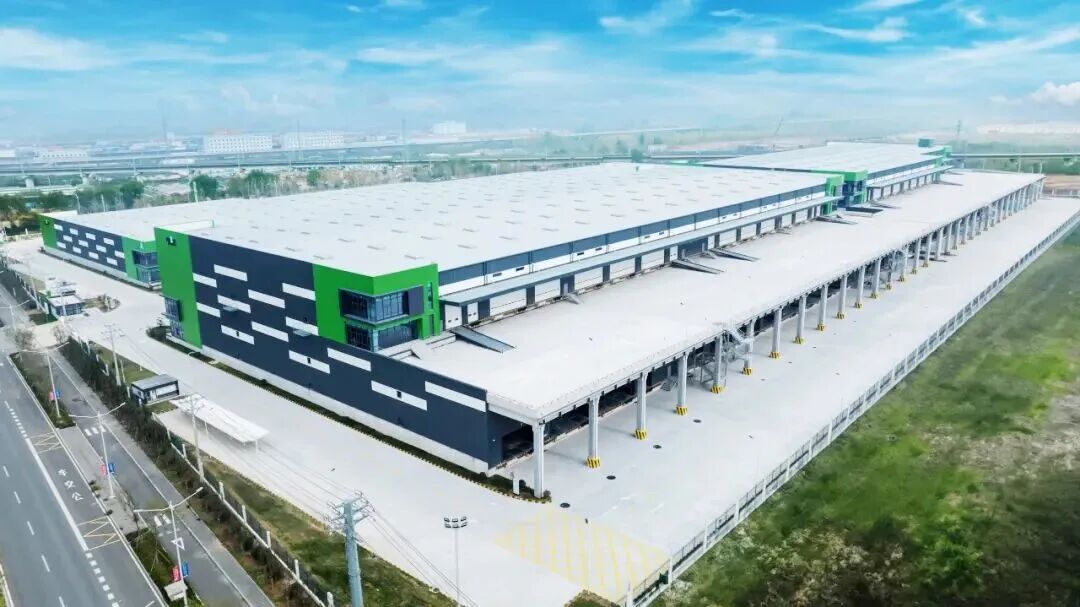
Forest Logistics Properties develops specialized logistics facilities equipped with smart fire protection systems, digital property management, solar PV infrastructure, and EV charging capabilities. The goal is to match facility specifications with the actual characteristics of automotive products and daily operations.
Operating Rhythm and Network Fit
Even with strong planning, automotive logistics must respond to changing demand, seasonal peaks, new model launches, and export windows. This requires warehouses that can reduce waiting time, improve response speed, and provide the right level of operational buffer.
Forest Logistics Properties has developed nearly 3 million square meters of high-standard warehouse space across 20 key cities in China. When selecting a warehouse, companies should evaluate how efficiently the facility connects with OEM plants, parts clusters, ports, highways, and end-consumer markets.
Warehouse Selection Is Supply Chain Node Configuration
A well-positioned warehouse can reduce total supply chain cost by improving proximity to OEMs, supplier clusters, consumer markets, and export gateways.
The key question should shift from “What is the rent?” to “Does this warehouse fit my supply chain?”
Is it close to the right nodes?
Is it suitable for the products and operations?
Can it handle demand fluctuations?
Does it help reduce total logistics cost?
For NEV manufacturers, parts suppliers, aftermarket businesses, and auto export companies, the keyword is simple: fit.
Forest Logistics Properties is committed to helping automotive customers identify infrastructure solutions that match real-world operating scenarios, supported by a nationwide network and strong operational capabilities.




Down

Down

