



Ensuring Stable Circulation: Forest Logistics Properties's Approach to Building a "Solid" Warehousing Network

January 30, 2026
In recent discussions on the 2026 economic agenda and the “15th Five-Year Plan” industrial directions, China’s National Development and Reform Commission has repeatedly highlighted “modern logistics systems,” “reducing economy‑wide logistics costs,” and “enhancing the security of industrial and supply chains.” These key themes point in a clear direction: economic operations are being re‑evaluated through the lens of long‑term, stable functionality.
The 2026 focus: operational capability under lower tolerance for error
Policy attention is shifting from “whether growth is achieved” to “whether growth is built on a solid operational foundation.”
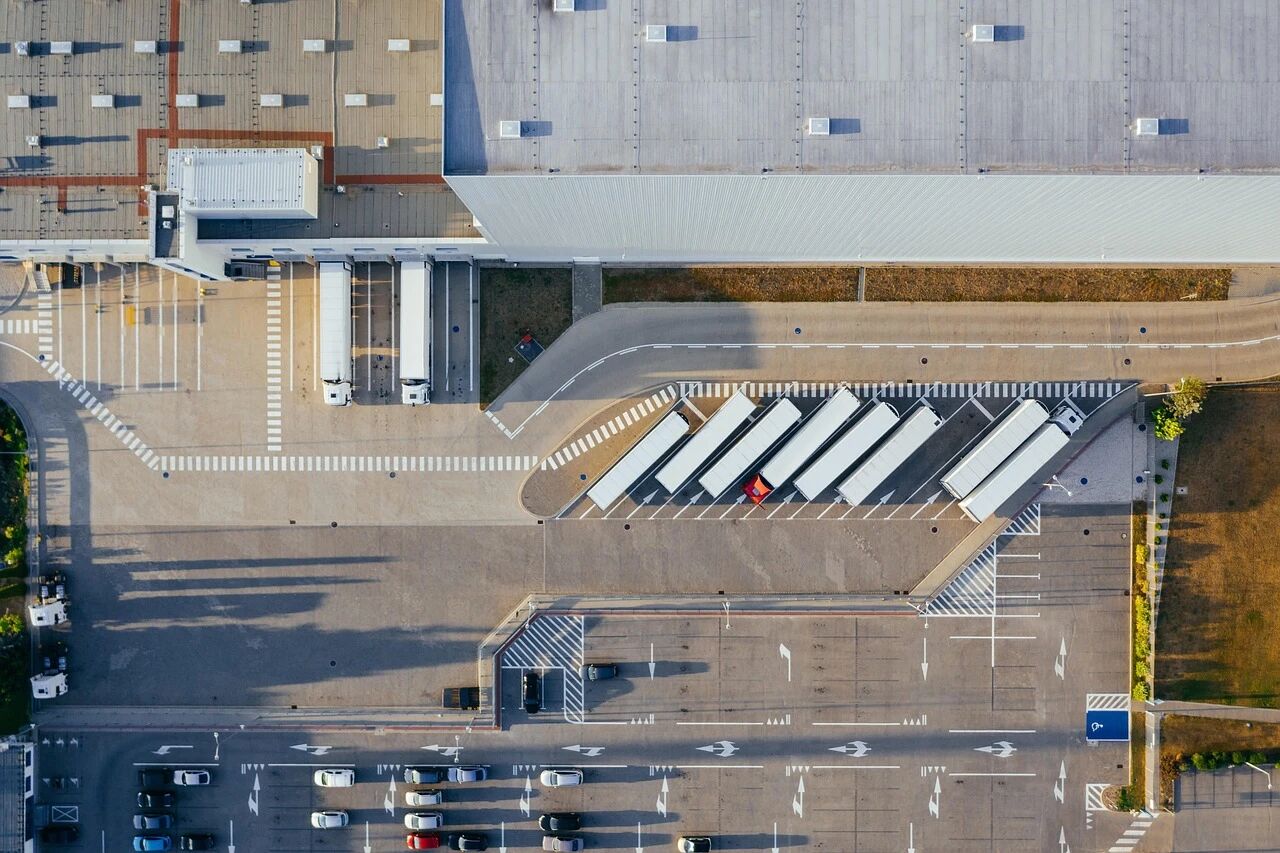
Amid rising external uncertainties and increasingly complex industrial chains, the margin for error in the economic system is narrowing. Logistics efficiency, cost, and security are now discussed as interrelated factors, all serving one goal: making economic operations more predictable and reliable in a complex environment.
Modern logistics systems need “stability” more than just “speed”
Supply chain resilience——meaning stability and coordination——has become a critical competitive factor. Reducing logistics costs is not simply about cutting expenses, but about eliminating waste through structural optimization. Supply chain security focuses on the steady functioning of the entire network. Warehousing facilities are evolving from static storage points into key variables that influence the rhythm of the entire logistics flow.
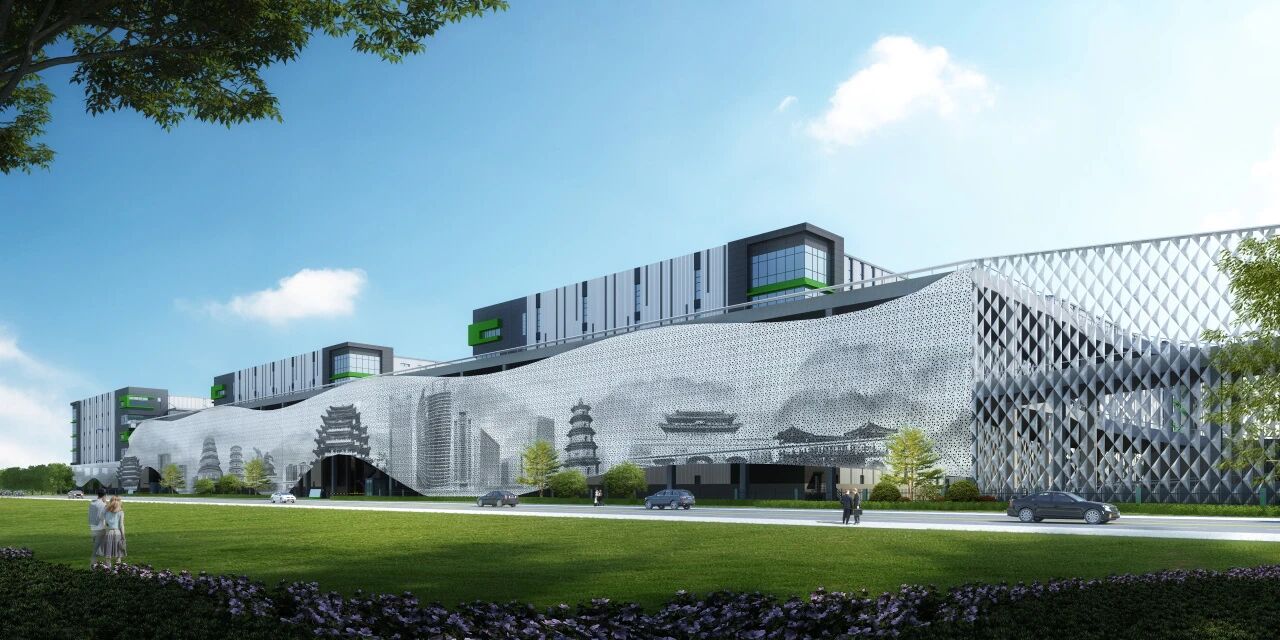
The value of logistics real estate and warehousing networks
Whether warehousing assets are reliable and can operate stably over the long term is becoming increasingly important. A warehouse node connects production, distribution, inventory management, order fulfillment, and regulatory compliance. Problems at a node can affect delivery schedules, inventory efficiency, and customer satisfaction.
Forest Logistics Properties: being part of the “certainty”
Forest Logistics Properties focuses on core logistics nodes with a cross-regional footprint: 25 projects, nearly 3 million sqm of assets under management, covering 23 cities and 80% of the consumer market.
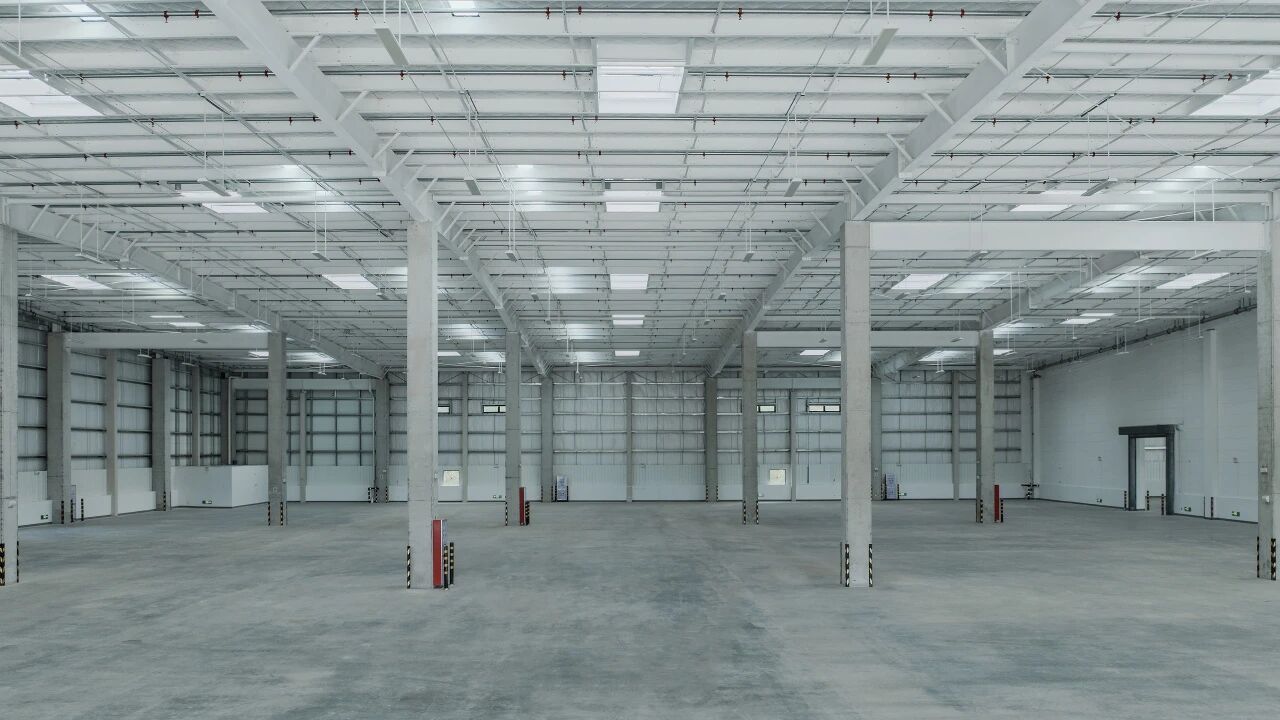
The company prioritizes standardization, safety, and sustainability to reduce the risk that a warehouse node becomes a systemic bottleneck. Through a stable, sustainable operating model, Forest aims to be a long‑term, trusted component of its clients’ supply chains.
Conclusion
The demand for stability and certainty in economic operations continues to grow. The spaces, nodes, and networks of modern logistics systems are increasingly recognized as fundamental enablers. This is not a short-term issue, but a long‑term consideration for the industry.
Forest Logistics Properties – Making Warehousing More Valuable.





Down

Down

