



The "Breakthrough Path” for Chinese Cross-Border E-commerce: Supply Chain Leap & Warehouse Synergy

April 25, 2025
The global e-commerce landscape is being reshaped by new US tariffs. Facing challenges, Chinese cross-border e-commerce is accelerating its global strategic shift, exploring emerging markets in Southeast Asia, Europe, the Middle East, and Latin America.
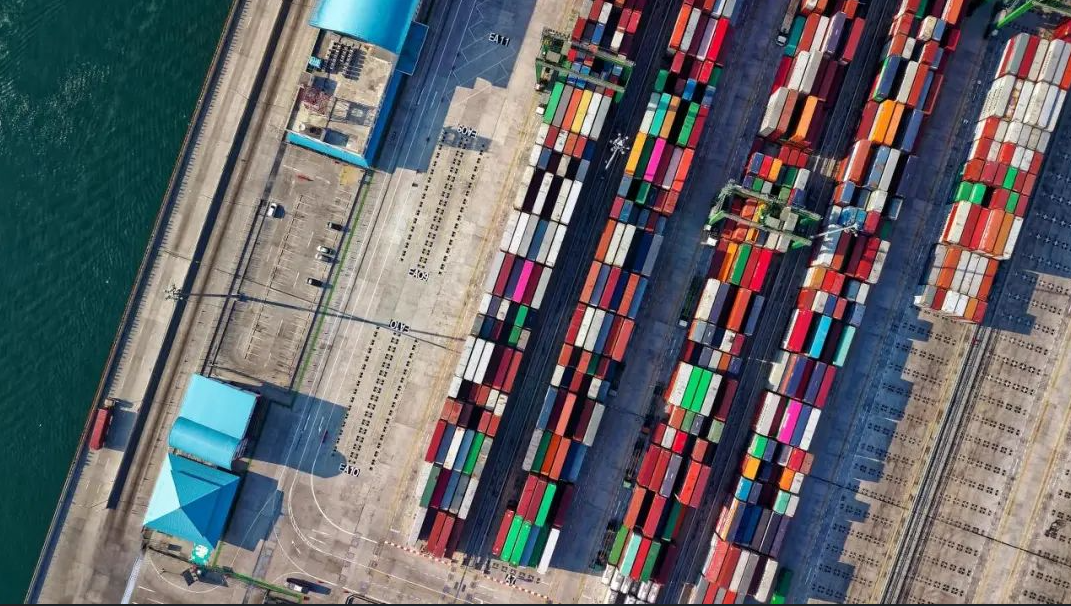
This pivot underscores a survival rule evolving from "traffic competition" to "supply chain efficiency". A robust "Iron Triangle" of competitiveness is crucial: integrating policy, logistics hubs, and manufacturing belts. Therefore, the warehouses must be located close to both core industrial clusters and key cross-border logistics hubs.

The Pearl River Delta, a core manufacturing and hub region, exemplifies this. Leveraging hubs like Guangzhou Baiyun Airport, it enables a swift "72-hour production-warehousing-customs clearance" cycle for massive industrial belts in apparel and electronics.
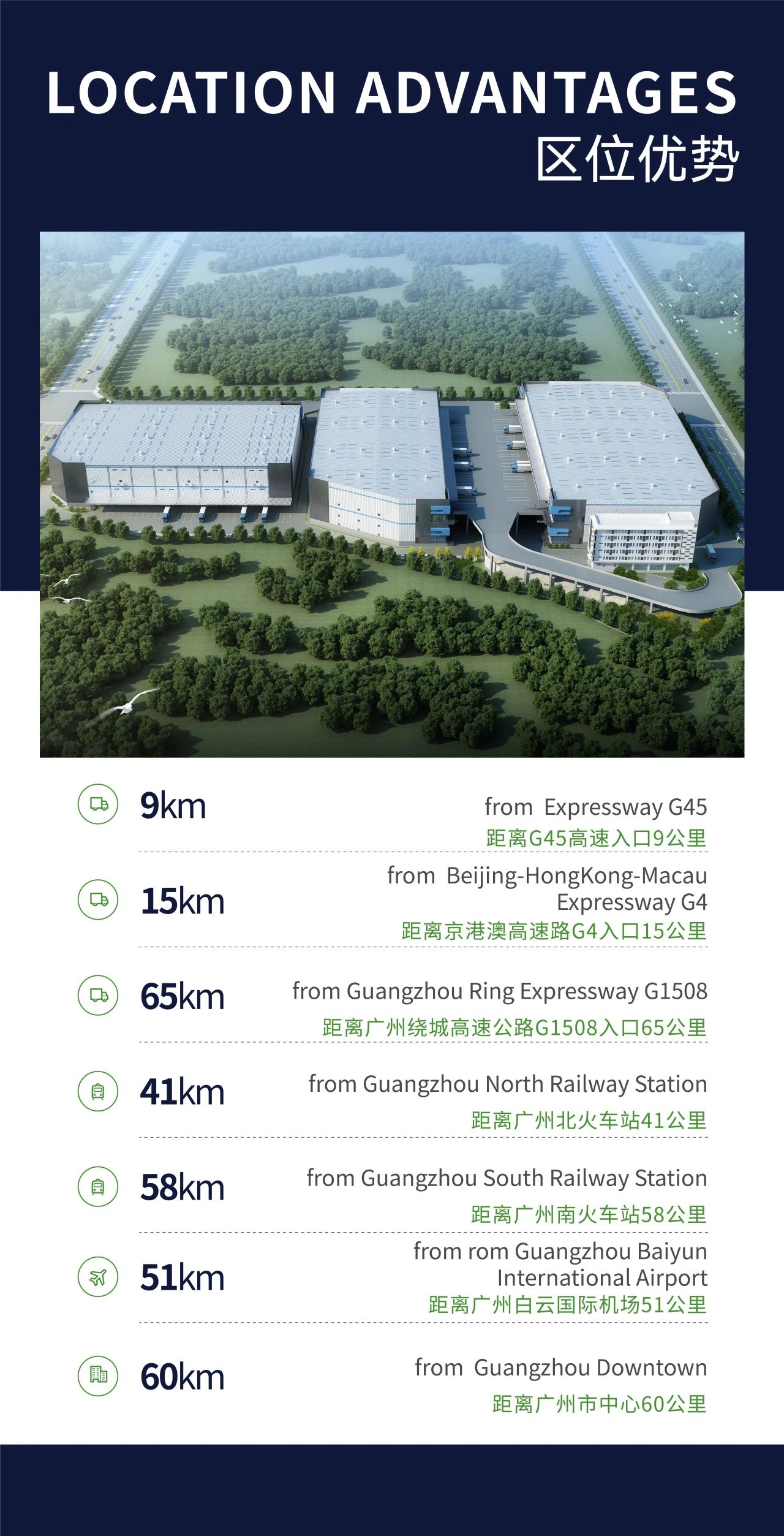
Meeting these needs requires high-standard logistics facilities. Key specifications include clear heights over 8m, floor loading capacity ≥2.5T/sqm, compatibility with automation, and green features like rooftop PV systems.
Forest Guangzhou Conghua Logistics Park, demonstrates this synergy. Its strategic location offers about 40 min access to Baiyun Airport, 1.5h links to Nansha Port, and connects to major industrial belts. The facility provides over 70,000 ㎡ of space, 10.8m clear height, 3T/sqm loading capacity, and rooftop PV, supporting automated operations and rapid response.
As RCEP deepens and new markets rise, such strategic warehousing hubs are becoming core assets, using speed and agility to help Chinese manufacturing navigate new trade barriers and reshape global commerce.





Down

Down

